Donald Trump’s Cowboy Diplomacy
By Jonathan Guyer, Program Director
This article appeared in The New York Times on December 15, 2025
It was on an October flight from the Middle East to Miami that everything-envoy Steve Witkoff and Jared Kushner, the president’s son-in-law, decided it was time to turn to Ukraine.
Through sheer chutzpah, the duo had just clinched an unlikely cease-fire deal between Israel and Hamas just after the war’s second anniversary. Could the same tactic work on another seemingly intractable conflict? Soon after the flight, Russian and Ukrainian diplomats were shuttling to Florida, where Mr. Witkoff lives. “The president will give me a lot of space and discretion to get to the deal,” Mr. Witkoff told a Russian aide, in a leakedrecording of their phone call. Within weeks, he and Mr. Kushner, just as they did with the Gaza cease-fire deal, put together a list of conditions they wanted the Russians and Ukrainians to sign onto.
This time, it didn’t work. Mr. Witkoff’s proposed deal angered the Ukrainians and alienated Europeans, who say it highly favors Russia, and President Vladimir Putin of Russia is already pushing to get even more out of the Americans. The peace deal President Trump said he could deliver 24 hours into his second presidency, then again by Thanksgiving, remains out of his grasp.
The president’s men may yet stumble onto a path to progress in a war that has been stuck in stalemate for years. After all, in a few short months, Mr. Witkoff — a New York landlord whose prior foreign policy bona fides included a string of lucrative luxury real estate deals and the distinction of being Mr. Trump’s golfing partner — has notched diplomatic successes that eluded President Biden’s most experienced envoys.
…
Read more of Jonathan’s article in The New York Times
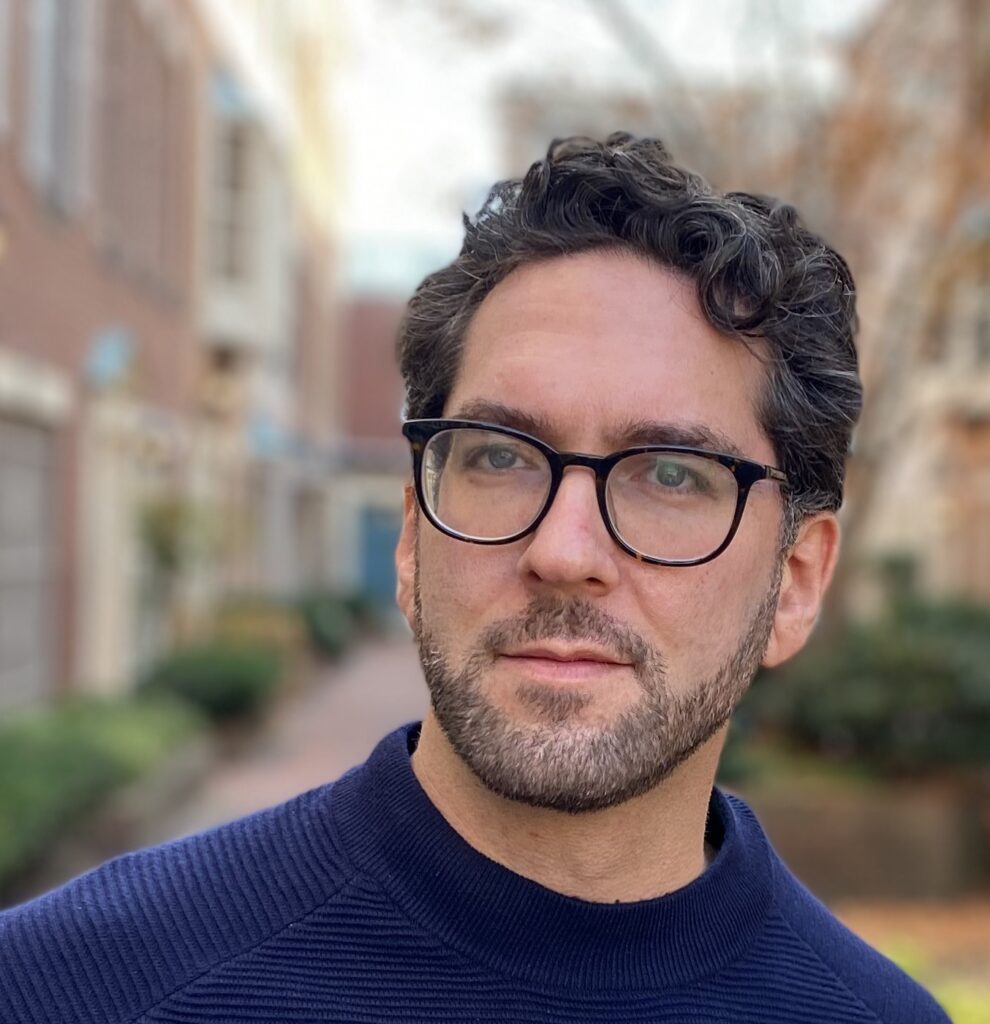
Written by Jonathan Guyer
Jonathan is the Program Director of the Institute for Global Affairs at Eurasia Group’s Independent America program.
This post is part of Independent America, a research program led out by Jonathan Guyer, which seeks to explore how US foreign policy could better be tailored to new global realities and to the preferences of American voters.




The Blowback From an Unpopular Iran War