Latin America’s Long Game: Nuclear Disarmament in the Age of AI
The answer to one of the world’s most dangerous security problems was drafted in Mexico City nearly sixty years ago.
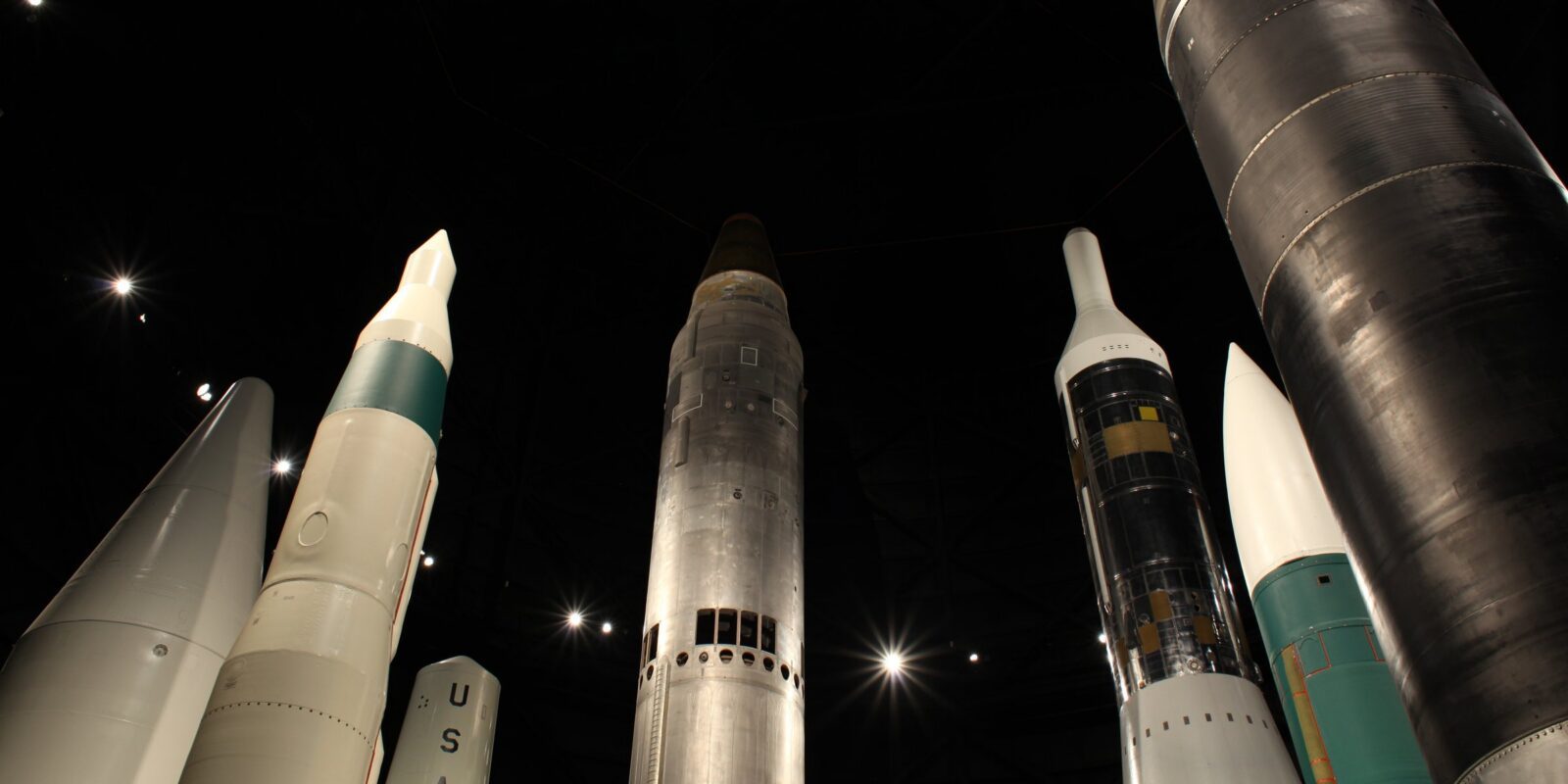
Latin America built the world’s first nuclear-free zone in 1967, and ever since, it has been at the forefront of innovation in nuclear diplomacy, responsible international behavior, and nonproliferation norm-setting. Over 20 countries in the region initially signed the Treaty of Tlatelolco—formally, the Treaty for the Prohibition of Nuclear Weapons in Latin America and the Caribbean. Eventually, all Latin American and Caribbean nations signed and ratified the treaty. Tlatelolco remains a viable alternative to today’s faltering nuclear architecture.
Latin America is now pushing to prevent artificial intelligence (AI) from being integrated into nuclear command, control, and communications (NC3) systems. The region’s long game, total nuclear disarmament in the age of AI, might be the answer to one of the most intractable problems in grand strategy today. Yet Latin America is still perceived as “the land that geopolitics forgot,” where geopolitical strategy is notorious only for its absence, as hard security questions dissolve into the more conventional issues of corruption, illicit economies, drug trafficking, and criminal violence. This perception of Latin America’s irrelevance in geopolitics and US grand strategy could not be more misguided. It is a region where peaceful grand strategy works and the paradigm of nuclear disarmament has been successfully put into practice.
The Treaty of Tlatelolco was an act of collective geopolitical imagination that the current nuclear order has never adequately honored or learned from. One of the main architects, the Mexican diplomat Alfonso García Robles, eventually won the Nobel Peace Prize for it in 1982. Hard-nosed Mexican and Brazilian diplomats—the only Latin American representatives in the initial global nonproliferation treaty (NPT) negotiations, which ran concurrently with the Tlatelolco talks—actively pressed for the regional treaty to serve as a model for the global one.
The Latin American representatives were rebuffed by nuclear-armed states unwilling to apply the same disarmament logic globally that they had just accepted regionally. Yet the NPT that emerged froze nuclear weapons distribution rather than dismantling it, offering only a distant pledge to pursue total disarmament while locking in the hierarchy of nuclear haves and have-nots. That compromise is now under severe strain in the age of AI.
Read more in Lawfare

This post is part of Independent America, a research program led out by Jonathan Guyer, which seeks to explore how US foreign policy could better be tailored to new global realities and to the preferences of American voters.




Is the Iran war turning young voters away from Republicans ahead of the midterms?