Trump continues American dominance in the Asia-Pacific
Spheres of influence for me, not for thee?
This article appeared in Responsible Statecraft on January 30, 2026
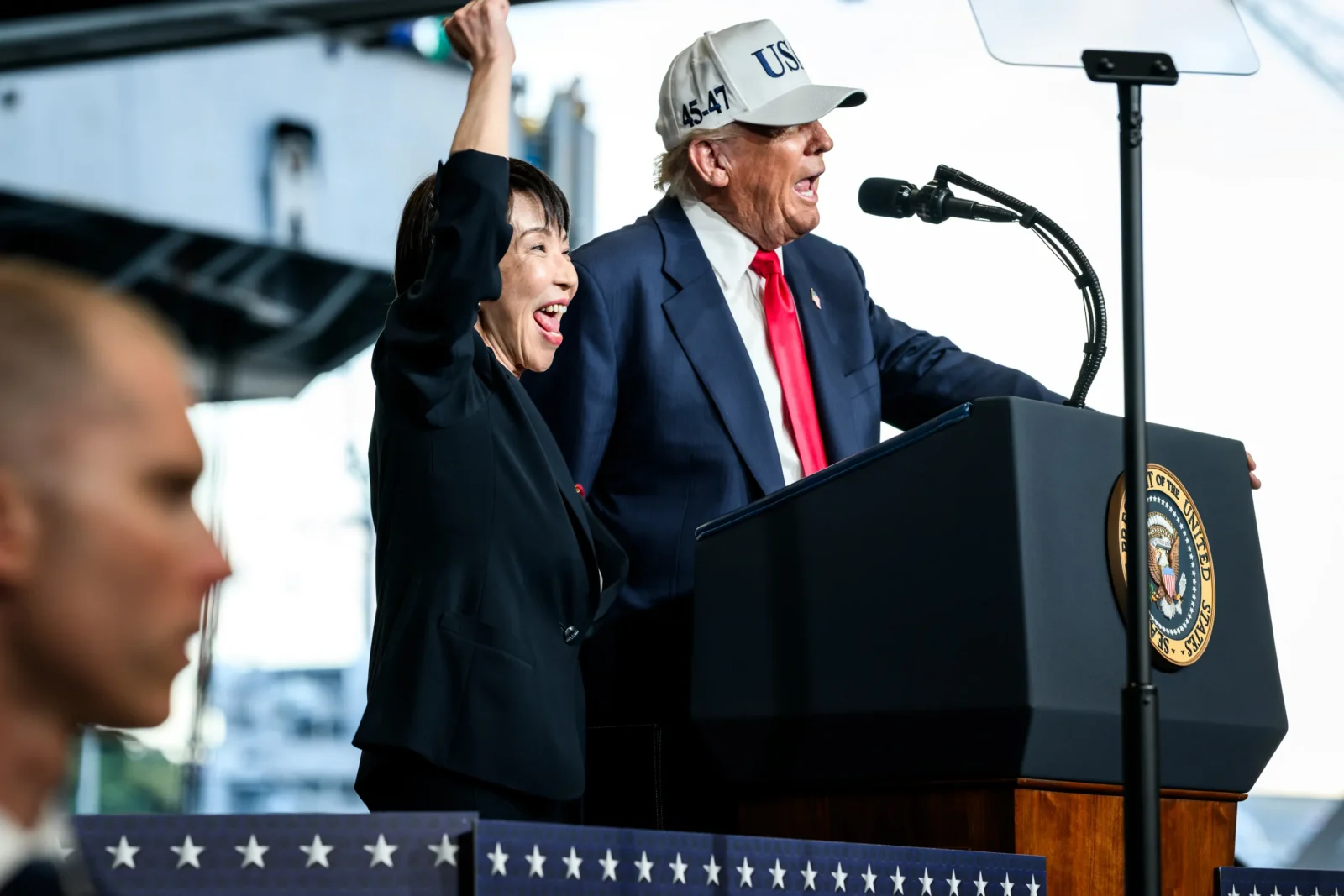
The National Security Strategy states that “the United States rejects the ill-fated concept of global domination for itself.” But even if the administration does not intend to dominate globally, US hegemony in the Asia-Pacific is still in practice.
Trump’s tariff program is one example of this continued dominance. It has attacked China’s superior economic position within Asia, where a Chinese sphere of influence might be purported to exist. Vietnam’s framework agreement imposes higher tariffs on transshipped goods, explicitly to target Chinese businesses in the country. Malaysia’s deal was even more restrictive: its government agreed to allow US review of foreign deals concerning its critical minerals and infrastructure and mirror US tariffs on third-party countries, sacrificing major elements of its economic sovereignty. Many of these same components were included in the Cambodia deal, and reporting suggests that the administration views it as a model for ongoing negotiations with Indonesia.
…
Read more of Ransom’s article in Responsible Statecraft

Ransom Miller is a research associate at the Institute for Global Affairs at Eurasia Group.
This post is part of Independent America, a research program led out by Jonathan Guyer, which seeks to explore how US foreign policy could better be tailored to new global realities and to the preferences of American voters.


Does the Security Assistance the US Provides Really Work?