International Democracy Fellowship
Elected Leaders on the Frontlines of Effective and Innovative Democratic Practice
Democracy evolves through practice, not prescription. The International Democracy Fellowship brings together emerging elected officials from around the world who are developing real, practical solutions to today’s most pressing challenges in their own countries.
This isn’t a democracy-promotion program in the traditional sense. The fellowship exists to understand how democracy actually takes shape on the ground for elected leaders working within their own political environments—how they negotiate, build coalitions, respond to new issues, navigate institutional constraints, and strengthen resilience under widely varying political conditions.
We welcome applications from elected leaders (with fewer than 10 years in office) from any political party affiliation, level of government, and country. Fellows bring forward the realities of their work: managing entrenched local power networks, rebuilding public trust, confronting voter disengagement, navigating corruption pressures, working across polarized communities, and adapting institutions to fragile or fast-changing conditions worldwide. By sharing what works — and what doesn’t — in these settings, they generate practical insights and mutual support.
Why IGA?
The Institute for Global Affairs believes that the future of democracy lies in understanding what makes it work in different environments. What’s needed are political leaders who can navigate complexity with curiosity, courage, and a readiness to act. Around the world, democracy is being tested not in theory, but in the day-to-day work of governing—inside city councils, parliaments, local assemblies, and regional offices where elected officials confront real problems under real pressure.
What sets us apart: We start with ground truth — the local knowledge and political realities that elected leaders navigate every day. Our fellows understand that strengthening democratic governance requires more than defending universal principles—it requires confronting particular challenges. By openly sharing their political experiences, fellows help one another refine tactics, pressure-test ideas, and adapt what works to their own environments.
Why does this matter?
Democracy strengthens when elected officials learn from one another across borders. The most effective innovations in governance often move peer-to-peer, shaped by practical experience.
Our 2026 pilot program will be conducted entirely virtually, creating accessible yet structured opportunities for this exchange. The call for applications opened in November 2025, and selected candidates were notified in late January 2026. The first cohort has commenced. Once established, we plan to expand future cohorts to include in-person convenings, building deeper networks among fellows and alumni.
The fellowship runs six months, from February through July. Throughout the program, fellows participate in monthly virtual sessions designed to spotlight each participant’s work and explore tailored solutions to real governing challenges through shared expertise. This peer-to-peer exchange emphasizes practical strategies, lessons learned, and what is—or isn’t—working in different political contexts. Fellows leave with actionable insights and a network of colleagues navigating similar pressures worldwide.
Beyond Solidarity to Strategy
Traditional democracy programs focus on building movements or promoting abstract ideals. Our fellowship focuses on sharing actual, locally informed strategies.
Through structured, ongoing engagement, participants exchange practical solutions, compare approaches to common challenges, and explore how democratic practices can be applied—and adapted—across different political environments. These peer-to-peer connections continue well beyond the six-month program, creating a durable network of elected leaders who serve as positive models for democratic practice—not only in their own communities but also for peers and leaders across other contexts.
Democracy as Problem-Solving
We don’t treat democracy as a blueprint to copy. It’s an ongoing experiment that gets better through constant tinkering and adaptation — local innovation. Our alumni network keeps fellows connected long after the program ends, tracking how solutions developed in one place get adapted and improved elsewhere.
The fellowship fills a gap left by traditional democracy promotion, which often pushes generic solutions that don’t match reality on the ground. We flip that approach, starting with what elected officials are dealing with and building from there.
Measuring What Matters
In the short term, we track what actually changes in practice: the strategies fellows adopt from their peers and the tactical solutions they test and implement in their own political contexts.
Long-term impact looks beyond individual practices. We support alumni as they advance in their careers and elevate their influence, helping effective practices spread across different communities and political environments. In this way, lessons from one leader’s experience can improve governance elsewhere.
We measure both outcomes and insights: not just the number of policies or initiatives implemented, but the qualitative ways in which local political innovations influence broader democratic practice. This dual approach captures both immediate practical wins and the deeper shifts in how democracy strengthens through shared, real-world experience.
Meet the Jurors
The program’s selection committee reviews and evaluates fellowship applications and selects the final cohort. It comprises experts from across the world, bringing extensive experience and deep knowledge of political, social, and country-specific contexts to inform the program and enhance the impact of the cohort. The committee is supported by program director Rudina Hajdari and includes:
Ilker Barburoglu
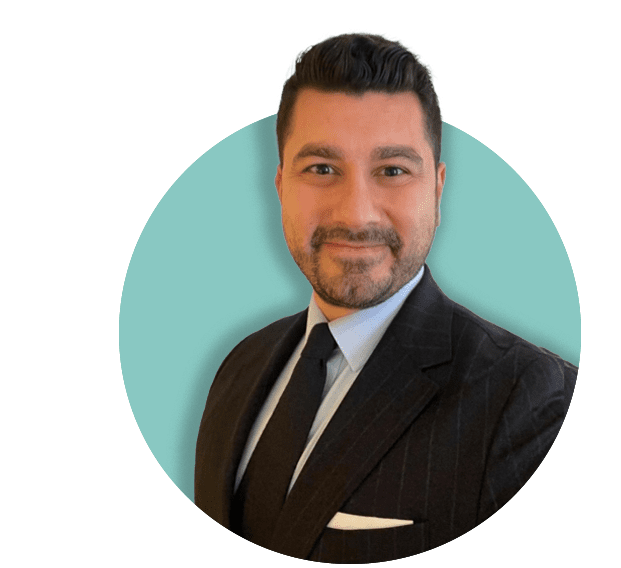
Ilker Barburoglu
Founder & CEO, MedTrade Energy & Commodities, Middle East & Africa
Ilker Baburoglu is a global business leader and investor focused on energy security, responsible resource development, and infrastructure in emerging markets. Based in Geneva, Dubai, and Istanbul, he manages multinational energy and commodity companies and serves on the Board of the Atlantic Council. As a faculty member at the Queen Elizabeth II Academy for Leadership at Chatham House, Baburoğlu has advised on sustainable investment strategies worldwide. An alumnus of Harvard Business School, Koç University, and Boğaziçi University, he promotes ethical leadership and cross-regional cooperation to foster stability and growth.
Obiageli Ezekweili
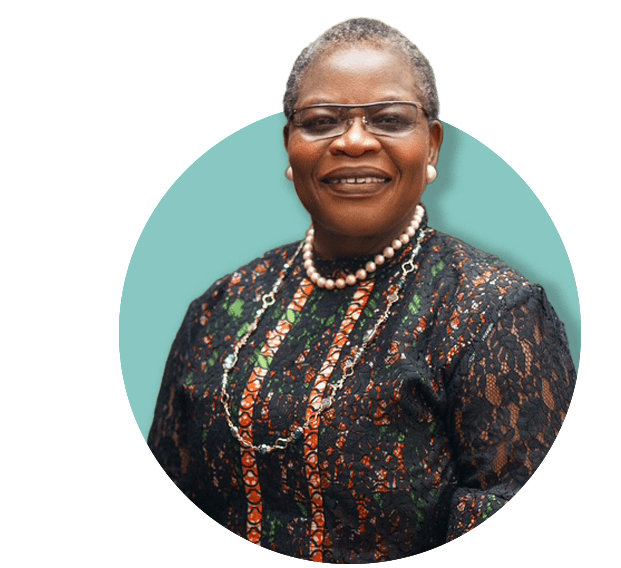
Obiageli Ezekweili
President, Human Capital Africa
Obiageli “Oby” Ezekwesili is a Nigerian expert in economic policy, a reformer, and an advocate for good governance. She has served as Vice President of the World Bank’s Africa Region and as Nigeria’s Minister of Education and Minister of Solid Minerals. She co-founded Transparency International and the #BringBackOurGirls movement. As founder of the #FixPolitics Initiative and the School of Politics, Policy, and Governance, she has promoted citizen-centered leadership across Africa. A graduate of Harvard Kennedy School and a 2018 Nobel Peace Prize nominee, Ezekwesili continues to inspire through her dedication to accountability, education, and democratic renewal.
Jonah Fisher
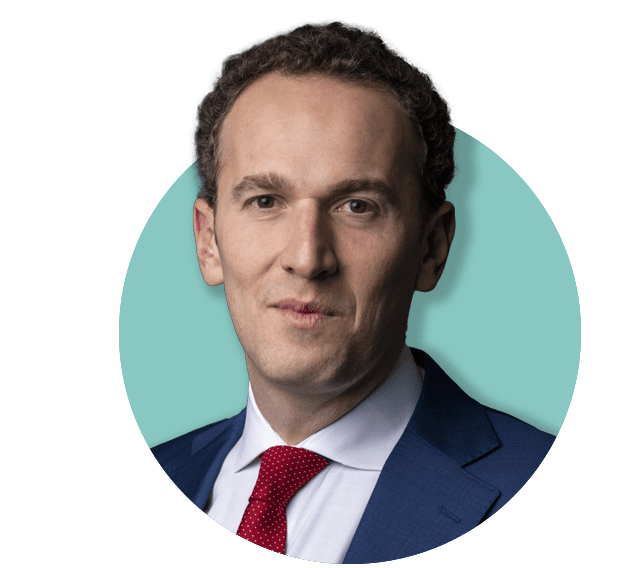
Jonah Fisher
Senior Director, Atlantic Council
Jonah Fisher is the Senior Director of the Millennium Leadership Program at the Atlantic Council, where he oversees global fellowship and leadership projects. An educator at Columbia University, Fisher previously founded GATHER, the social innovation branch of Seeds of Peace, and the coworking initiative FLO for social entrepreneurs in Tel Aviv. His work covers entrepreneurship, conflict transformation, and civic innovation, mentoring changemakers in emerging democracies. Fisher has vast experience in creating networks that support innovative, cross-sector solutions to global issues.
Beatriz Merino
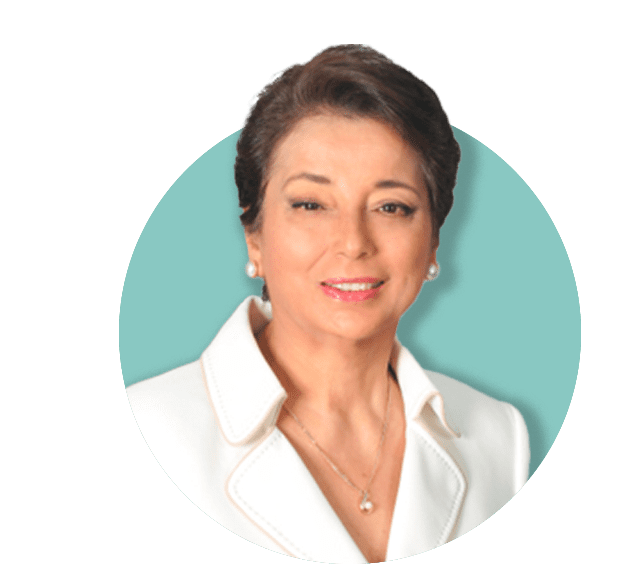
Beatriz Merino
Former Prime Minister of Peru and Executive President of César Vallejo University
Beatriz Merino is the first woman to serve as Prime Minister of Peru and a Harvard-trained lawyer with a distinguished career in public service and international development. She previously served as Public Ombudsman of Peru, Senator, and Congresswoman, leading key committees on environment and women’s rights. Internationally, she directed the Women’s Leadership Program at the Inter-American Development Bank and represents the Boston Global Forum in Peru. She is a recipient of the 2019 Women Political Leaders Trailblazer Award.
Jonathan Moore

Jonathan Moore
Former US Ambassador and Head of Mission at the OSCE in Europe
Ambassador Jonathan Moore is a seasoned U.S. diplomat with over 30 years of experience, including roles as Ambassador and Head of Mission to Bosnia and Herzegovina at the OSCE, as well as Acting Assistant Secretary of State for international organizations, health, and space diplomacy. Recognized by multiple foreign governments and awarded the U.S. Presidential Meritorious Rank, he has deep expertise in building democratic institutions, peace processes, and governance. He holds degrees from American University and George Washington University and continues to mentor future public service leaders.
Christopher Schroeder
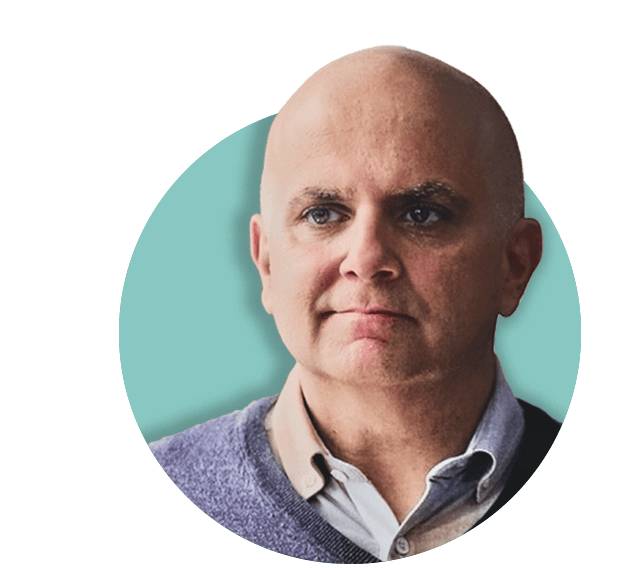
Christopher Schroeder
Chairperson of the German Marshall Fund
Christopher Schroeder is a global venture investor and strategist working at the intersection of technology, entrepreneurship, and policy. As co-founder of Next Billion Ventures and Chair of the German Marshall Fund’s Board, he aims to connect innovative entrepreneurs from emerging markets with international partners. A former CEO of WashingtonPost.com and co-founder of HealthCentral.com, Schroeder advises governments and international organizations on innovation and economic development. A Harvard alumnus and a thought leader in global entrepreneurship, he specializes in building networks that support open, democratic innovation ecosystems.
Akira Tsuchiya
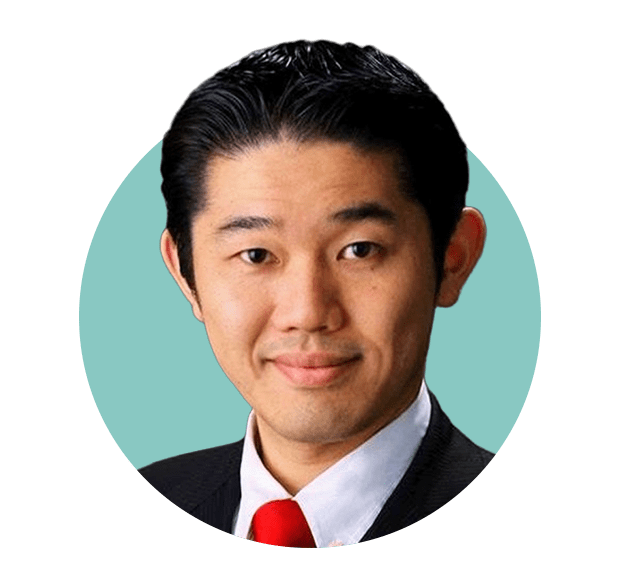
Akira Tsuchiya
President and CEO of The Global Institute (TGI)
Akira Tsuchiya is President & CEO of The Global Institute (TGI), a leading
international institute fostering the global leadership community and advancing global governance and cooperation through thought leadership. He previously spent over a decade with the World Economic Forum (WEF), where he established its Japan office as its founding chief executive in Tokyo and served on the Executive Committee at its headquarters in Geneva. His work spans public service roles at Japan’s National Parliament, the OECD, and the World Bank, as well as academic and research roles at several major universities—including the IUJ Center for Global Communication (GLOCOM), Harvard, Georgetown, Keio, and Waseda. He studied at
Keio University (BA); the Georgetown Public Policy Institute (MPP, Fulbright scholar); Trinity College, University of Oxford (dean’s scholar); and the Harvard Kennedy School in conjunction with a WEF fellowship, obtaining the executive master in global leadership. He advises senior leaders across government, business, and civil society, and frequently writes and speaks on global leadership, governance, and technology.
Meet the 2026 Fellows
Sahar Albazar
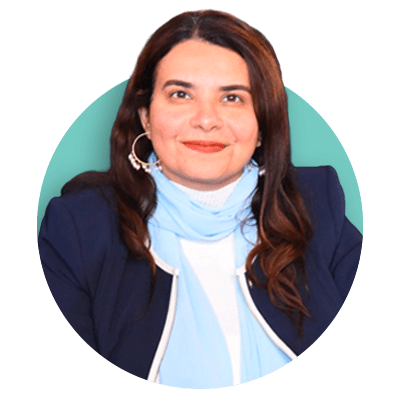
Sahar Albazar
Member of Parliament, Egypt
Sahar Albazar is an Egyptian Member of Parliament and Deputy Chair of the Foreign Affairs Committee, with leadership roles in major international parliamentary networks. Her work centers on institutional modernization, youth inclusion, and digital governance—in a political environment that places high value on stability and long-term development while navigating real pressure for greater transparency and civic participation.
She led development of a national parliamentary framework integrating artificial intelligence governance into Egypt’s legislative process—filling a critical gap as AI expanded across public and private sectors with no mechanism for transparency or citizen protection. Her approach was deliberately inclusive: bringing together government ministries, civil society, academia, and youth representatives, and using behavioral insights to meaningfully increase participation from young people and women—groups typically underrepresented in national policy debates. The initiative shifted the public conversation from fear of technology toward empowerment, positioning AI not as a threat, but as a tool to expand opportunity and widen public participation. The framework has since informed cross-ministerial collaboration on digital rights and data protection.
Albazar joined the Fellowship out of a conviction that strong democracies are built on relationships and shared knowledge, not only laws.
Bilal Bilici

Bilal Bilici
Member of Parliament, Turkey
Bilal Bilici is a Member of the Turkish Parliament representing Adana and serves on the Foreign Affairs Committee. Trained in economics and global affairs, with prior experience in consulting, he entered Parliament in 2023 as part of the main opposition party—in a system where democratic norms can erode when “institutions are weakened, the rule of law is politicized, and elected leaders are targeted.” Operating in that environment has shaped his core conviction: democratic resilience depends not only on domestic commitment but on strong transnational partnerships.
Following the imprisonment of Istanbul’s elected mayor, Bilici led international advocacy efforts—engaging U.S. senators, European parliamentarians, and international media—to frame the case not as a political dispute but as a systemic threat to judicial independence. He collaborated simultaneously with civil society and municipal leaders to build a unified domestic narrative around democratic resilience, demonstrating that innovative leadership requires linking local realities with global frameworks.
He believes Turkey’s experience offers lessons applicable to other countries: despite two decades of authoritarian drift, the opposition has maintained strong electoral competitiveness, vibrant local governance, and deep public engagement—showing that democratic momentum can be sustained under extraordinary pressure.
Sebastian Burduja
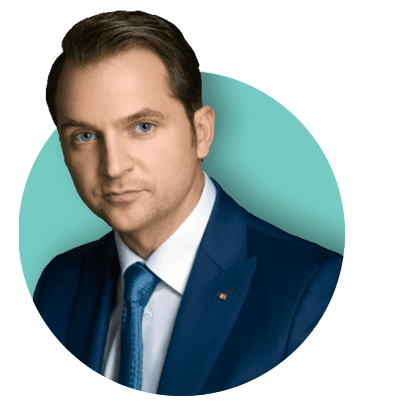
Sebastian Burduja
Member of Parliament, Romania
Sebastian Burduja is a Romanian Member of Parliament and former Minister of Energy and Research and Digitalization who has delivered measurable reform within the EU’s institutional frameworks. As Energy Minister, he secured over €14 billion in energy investments, advanced nuclear and offshore wind development, and launched what he describes as the world’s first AI advisor for a prime minister.
Romania’s political environment presents a paradox he has navigated throughout his career: democratic institutions modeled on Western Europe that function in practice through informal networks, patronage, and habits inherited from communist-era political culture—what he calls “institutional mimicry.” Public trust in government remains among Europe’s lowest. His response has been twofold: delivering concrete results in government, and building democratic infrastructure through Future Romania, a public leadership program that identifies emerging leaders based on competence and integrity—before they are shaped by transactional political culture.
Burduja joined the Fellowship to learn from peers navigating similar post-communist democratic challenges, and to share Romania’s experience in rebuilding civic trust.
Sam Cho

Sam Cho
Port Commissioner, United States
Sam Cho is an elected Commissioner of the Port of Seattle, advancing economic development, climate leadership, and democratic accountability at the subnational level. He operates at the intersection of two mandates that frequently conflict: the Port’s obligation to drive economic growth and its commitment to reaching net-zero emissions by 2040—a tension that has made coalition-building and public transparency central to his approach.
In a political environment where federal engagement on key issues has retreated, Cho has turned to subnational diplomacy as a democratic tool in its own right. When federal momentum on a US-Korea Green Shipping Corridor stalled, he negotiated a four-port agreement between Seattle, Tacoma, Busan, and Ulsan to advance decarbonization through direct port-to-port collaboration. He has also used social media creatively to build constituent trust, with one video explaining tariff impacts on the port reaching 1.5 million views—reflecting his belief that people are often willing to accept contrarian policy if they understand the logic and justification.
Cho joined the fellowship acutely aware that democratic resilience is being tested at the local level in new ways. Cybersecurity and disinformation are mounting local challenges, and he sees the work of building democratic accountability as increasingly happening in city halls and port offices, not Washington.
Janusz Cieszński

Janusz Cieszński
Member of Parliament, Poland
Janusz Cieszyński is a Polish Member of Parliament and former Minister of Digital Affairs who brings a results-oriented, enterprise-like approach to democratic governance. With eight years of government experience—including as deputy health minister during the early months of the COVID-19 pandemic—he has a practitioner’s rigor for measuring what works.
Poland stands at what he calls a generational crossroads: 35 years of post-communist transformation have produced one of the world’s fastest-growing economies, but the growth model is running out of fuel and the leaders of the transformation era are stepping aside. During Russia’s invasion of Ukraine, Cieszyński led Poland’s rapid digital response to over two million refugees, implementing a national ID system in three weeks that granted access to public services at scale—later accelerating Poland’s nationwide e-ID rollout and positioning it as a digital leader within the EU ahead of even Estonia. This is the kind of result he sees as the measure of democratic governance: not speeches, but tangible improvements in people’s lives.
He joined the fellowship because he believes leadership growth comes primarily from exchanges of knowledge, experience, and contacts—and because Poland’s next chapter demands exactly that kind of renewal.
Khatia Dekanoidze
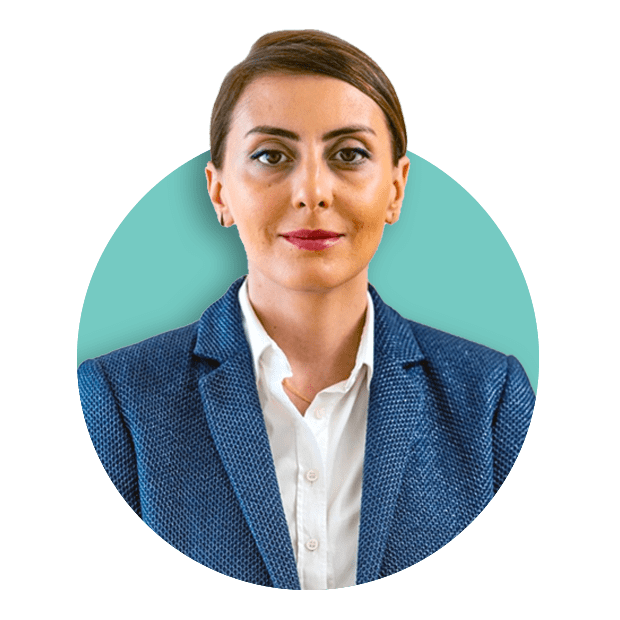
Khatia Dekanoidze
Former Member of Parliament, Georgia
Khatia Dekanoidze is a Georgian opposition leader and former Member of Parliament with senior reform experience in both Georgia’s education sector and Ukraine’s domestic security sector. As Head of Ukraine’s National Police, she led a sweeping institutional transformation—recruiting 15,000 new officers and establishing a modern police force grounded in human rights. She was later appointed Chief of the National Police.
In Georgia’s increasingly constrained political environment, she has remained a prominent advocate for democratic accountability and European integration, mobilizing public support despite political pressure and electoral irregularities. Her account of Georgia’s current conditions is direct: institutions captured by a single oligarch, the rule of law functionally absent, opposition leaders imprisoned, and protest movements facing repressive legislation. She ran as a mayoral candidate in Georgia’s second-largest city in 2021, winning the first round only to lose the second after what she describes as documented electoral fraud—by the precise margin she had been leading. In conditions like those, she argues, political leadership “can be measured by daily perseverance and by how effectively I manage to confront propaganda.”
Dekanoidze joined the fellowship with hopes of building the kind of international network she sees as essential to democratic survival under pressure, bringing frontline experience in institutional reform under autocratic conditions and the conviction that solidarity among elected leaders is itself a form of democratic resilience.
Manuel Morales Díaz
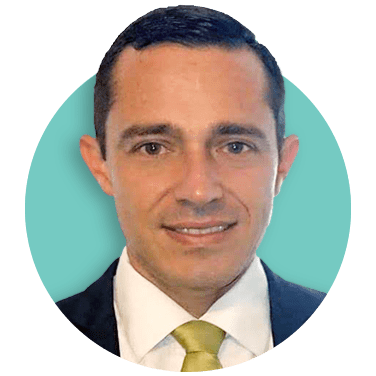
Manuel Morales Díaz
Member of Parliament, Costa Rica
Manuel Morales Díaz is a Costa Rican Member of Parliament and forestry engineer who advances evidence-based policymaking within one of Latin America’s most established yet increasingly polarized democracies. He brings a conviction that democracy must be continuously defended and modernized, especially in a region where political polarization, misinformation, and declining trust are intensifying. Costa Rica’s multi-party legislature requires building consensus across divergent agendas—a context that has taught him that durable reforms can only emerge from inclusive processes.
He led a national reform expanding recognition and financing for agroforestry and forest ecosystem services, broadening access to environmental incentives for small farmers, Indigenous territories, and forest-dependent communities long excluded from these mechanisms. The policy gap, as Morales frames it, was both a democratic and a social one: the people who protect Costa Rica’s forests often received the least support from the systems that rewarded their work. Through an inclusive, cross-sector drafting process—bringing together rural cooperatives, NGOs, scientists, municipalities, and national institutions—he shifted the legislative culture from top-down to one where communities directly shaped the policy affecting their livelihoods.
Morales joined the Fellowship to access comparative perspectives from peers implementing democratic innovations in their own countries, particularly around technology, transparency, and citizen trust-building.
Ernest Imamović
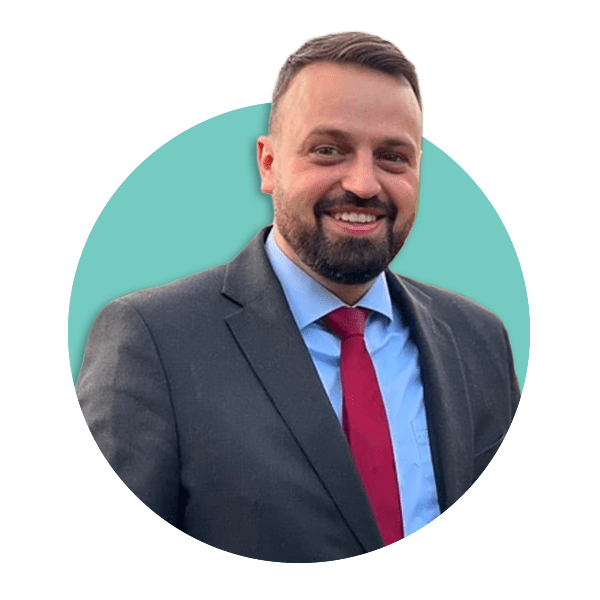
Ernest Imamović
Mayor, Bosnia and Herzegovina
Ernest Imamović serves as Mayor of Goražde, advancing citizen-centered governance in a post-conflict and institutionally complex political environment. Elected in 2020 after serving in the Cantonal Assembly, he previously held senior roles in the Parliamentary Assembly of Bosnia and Herzegovina, including Secretary of the Mission to the Council of Europe.
Displaced during the Bosnian War, his leadership is shaped by experience of institutional rebuilding and democratic transition. Bosnia’s power-sharing system—designed to prevent ethnic conflict from overwhelming governance—creates structural challenges: bureaucratic delays, political fragmentation, and competing public expectations across communities. These constraints have taught Imamović that effective leadership requires patience, collaboration, and a focus on legitimacy earned through citizen engagement rather than formal authority alone.
As mayor, he launched a citizen engagement platform combining digital tools with in-person town halls, enabling residents to propose, discuss, and vote on municipal projects—with a feedback system so citizens could see directly how their input shaped real decisions. Within the first year, participation in local decision-making increased by over 40%, and projects on public spaces and waste management were implemented directly from community proposals, rebuilding trust between residents and local government.
He joined the fellowship motivated by a network committed to locally grounded democratic practice—bringing practitioner’s experience of governing a post-conflict municipality where democratic norms must be rebuilt from the ground up.
Meekail Naseem

Meekail Naseem
Member of Parliament, Maldives
Meekail Ahmed Naseem represents Malé’s South Galolhu Constituency and serves on the People’s Majlis Oversight Committee. Educated at Cambridge and Bath, he is a leading advocate for democratic accountability in a newly democratic, climate-vulnerable state—one defined by the challenge of governing a nation of 1,200 sparsely located islands, a conservative Islamic social context, and institutions that have been democratic for less than two decades.
That context has shaped his approach to leadership: he has frequently set aside personal beliefs to focus on what is practically achievable in the Maldives’ specific political and social environment. “Balancing personal beliefs with political expediency remains a challenge,” he acknowledges—while measuring success not by legislative volume but by concrete improvements in constituents’ daily lives, from social housing to healthcare affordability.
In September 2025, when the government rushed a restrictive media bill through committee without public consultation, Naseem became the first Maldivian lawmaker to filibuster in Parliament—delaying passage long enough for journalists to mobilize protests outside and for the issue to gain international attention. As a candidate for chairperson of the Maldivian Democratic Party, he brings both urgency and ambition to the program.
Thokozani Tembo
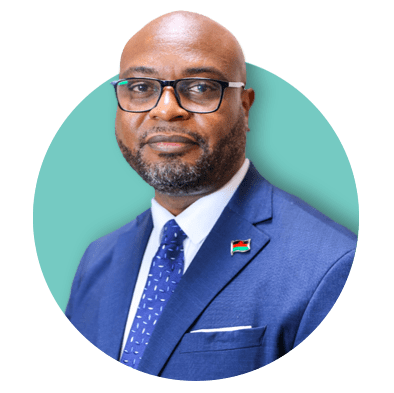
Thokozani Tembo
Deputy Minister of Agriculture, Malawi
Thokozani Tembo represents Neno North, one of Malawi’s most geographically isolated and economically marginalized constituencies, while serving as Deputy Minister of Agriculture. His leadership is shaped by an environment that compounds democratic exclusion: Neno North is the only district in Malawi without a tarmac road, among the poorest constituencies in one of the world’s poorest countries. Poverty itself is a barrier to democratic participation—and Tembo’s approach to democracy has had to be radically practical.
He established Neno FM, a community-run radio station broadcasting health, education, and local governance content, including council proceedings. By ensuring citizens without internet access remain informed and building local media capacity rather than importing it, the station has become the primary information source for the constituency and a model for community ownership. He also launched a constituency-wide sunflower farming initiative to create sustainable household income, recognizing that economic empowerment and civic participation are inseparable in Neno North.
He joined the fellowship to connect with leaders who are ethical, innovative, and people-centered, and to contribute lessons from a constituency where democratic practice must be invented from the ground up.
Who should apply?
Are you an elected official actively solving problems for your constituents? We’re looking for emerging leaders experimenting with new approaches to engage citizens, improve government transparency, or get things done in challenging political environments.
Our program provides access to cutting-edge research on what is working in governments worldwide, alongside opportunities to learn from peers and understand strategies that are effective in different democratic systems.
Most importantly, you recognize that democracy must be practiced, adapted, and continuously reimagined. Your innovations contain lessons others need to hear, just as their experiments can inform your work.
If you know elected leaders who would be excellent candidates for this fellowship, please email intldemfel@instituteforglobalaffairs.org with your name, affiliation, and the names, countries, and contact information of up to seven nominees.
More information for the 2027 cohort will be available in Fall 2026.
For questions about the program, please email intldemfel@instituteforglobalaffairs.org.
Partner With Us
Democratic resilience requires backing leaders who translate universal principles into effective local practice. Traditional democracy assistance fails by overlooking how different political environments shape what works. Our fellowship directly addresses this gap by supporting elected officials developing homegrown strategies for better governance.
Our partnership approach differs from conventional programming. Instead of lecturing political leaders, we facilitate exchange among public servants who keenly understand their own political environments as they advance democratic principles.
This investment builds a global network of innovators who recognize that effective democracy requires continuous adaptation and cross-border learning. Fellows become sources of democratic innovation at home while expanding our collective understanding of democratic practice across different political systems.
The program sparks lasting impact through peer learning grounded in real experience rather than imported expertise. These relationships generate democratic innovations long after the formal fellowship concludes.
Partner with us to support leaders who are fixing democracy. Your investment directly supports practitioners whose local innovations deserve to spread beyond their borders. These are the people making democracy deliver results for citizens, sharing and refining their best ideas.
For partnership inquiries or philanthropic support related to this program, please contact development@instituteforglobalaffairs.org.
About Our Program Leadership
Rudina Hajdari leads the International Democracy Fellowship, bringing rare insight bridging American and European democratic systems. As a former Albanian MP who chaired the European Integration Committee and played a key role in Albania’s EU accession efforts, she knows democratic transition from the inside. Her work at the U.S. House Foreign Affairs Committee gave her the view from the other side, revealing both the promise and limitations of traditional democracy promotion. Her background as the daughter of a pro-democracy advocate exemplifies the cross-cultural perspective the fellowship seeks to foster, making her perfectly positioned to lead a program that prioritizes learning from local democratic innovations.
For senior elected officials interested in collaboration, please email hajdari@instituteforglobalaffairs.org.