Could the FIFA World Cup reduce US-South African tensions?
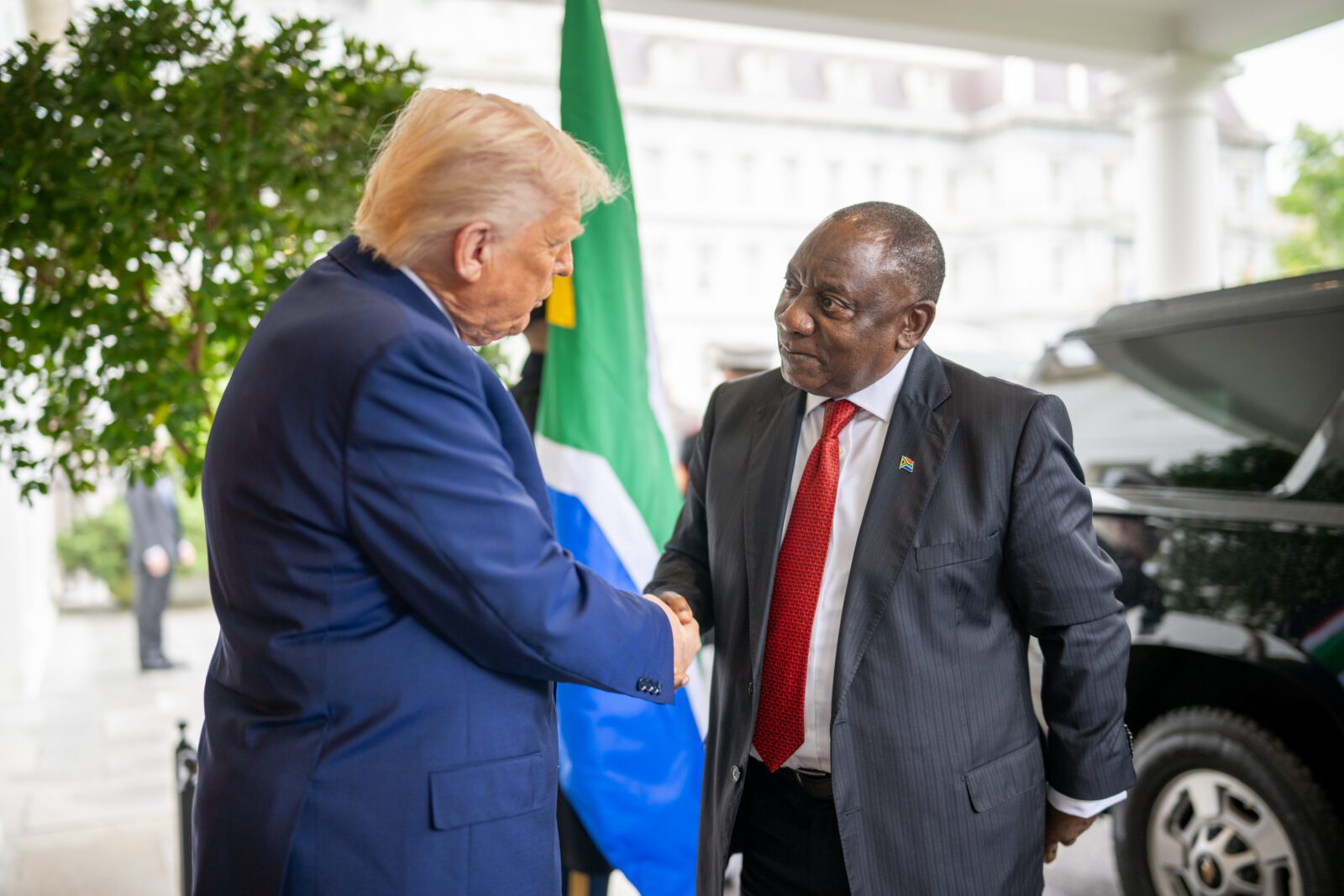
The US-South Africa relationship was long shaped by the Cold War. Today, racial politics are more exposed.
This article was published in The Philadelphia Inquirer on June 11, 2026
The Trump administration has adopted a confrontational approach toward long-time ally South Africa. Washington has spent the past year spreading falsehoods about “white genocide,” cutting crucial HIV funding and blocking South Africa from the G20 while threatening its trade relationships. The United States has also made a point of resettling white Afrikaners as refugees, while excluding nearly all other refugees around the world.
With the FIFA World Cup approaching, some may hope for a new chapter of “sports diplomacy” to relieve tensions between the countries. When South Africa’s national football team takes the field this summer, it marks Bafana Bafana’s first World Cup appearance in 16 years. But U.S. visa policies initially threatened South Africa’s ability to travel. At nearly every turn, the Trump administration is sending a clear message: it is hostile to a Black-led South Africa and sympathetic to its white minority. The domestic politics of race and white supremacy, long an undertone of U.S.-South African ties, animate the current bilateral relationship.
The Trump administration’s embrace of white South Africans and the tensions with the African National Congress (ANC), the liberation movement-turned-political party that currently governs South Africa as part of a coalition, are not without historical precedent. Throughout the Cold War, Washington maintained close ties with apartheid South Africa’s white minority regime. Race was always part of the equation, but it was camouflaged in the language of anticommunism and strategic interest. Today, with the Cold War long over, racial politics are more exposed.
…
Read Mattie’s full piece in The Philadelphia Inquirer

Written by Mattie Webb
Mattie Webb is a 2026 nonresident fellow at the Institute for Global Affairs at Eurasia Group.
This post is part of Independent America, a research program led out by Jonathan Guyer, which seeks to explore how US foreign policy could better be tailored to new global realities and to the preferences of American voters.

Is the Iran war turning young voters away from Republicans ahead of the midterms?