Does the Security Assistance the US Provides Really Work?

The United States provides a broad range of resources to allies across the world. How effective is it?
By Ransom Miller, Research Associate
This article appeared in Inkstick on July 27, 2026
The US sends weapons to many countries across the globe. In Washington, this is viewed as purchasing valuable influence. But there’s a problem: US policymakers are paranoid about military aid or sales from rival states like China, Russia, or Iran. This stymies the US from conditioning aid, because junior partners can credibly threaten to hedge with other powers. However, the literature on military aid is clear that conditioned military aid tends to be the most effective method to influence partners. Washington instead broadly relies on persuasion rather than coercion to attain its goals in military partnerships. In this way, US paranoia helps undercut the original motivations for sending military aid in the first place.
During the Cold War, when international competition was often ideologically motivated, junior US partners had few other guarantors on which they could rely. They risked abandonment if they didn’t concede to US goals. Policymakers aware of this could greatly leverage it to their benefit, as Victor Cha demonstrates was the case across 20th century East Asia in his book, Powerplay.
The modern policy solution to this problem has been the so-called “bear hug,” popularized by the Biden administration’s Israel policy during the war in Gaza. The administration was insistent to the public that its stalwart support for Israel granted it access and influence that enabled it to restrain Israel from its worst tendencies. It seems unlikely that this was true, given the administration’s strong human rights agenda and the broad international consensus that Israel was carrying out a genocide in Gaza throughout Biden’s final year in office. Aid used as persuasion was ineffective at soliciting the administration’s preferred Israeli behaviors.
…
Read more of Ransom’s article in Inkstick
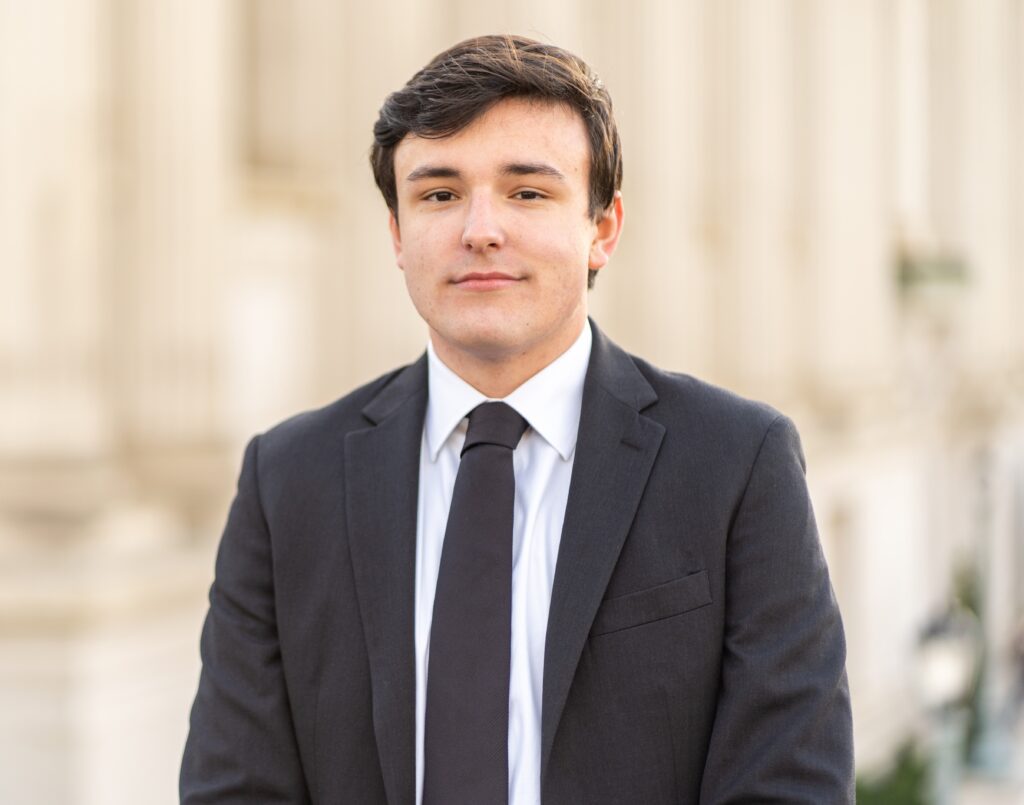
Ransom Miller is a research associate at the Institute for Global Affairs at Eurasia Group.
This post is part of Independent America, a research program led out by Jonathan Guyer, which seeks to explore how US foreign policy could better be tailored to new global realities and to the preferences of American voters.


Is the Iran war turning young voters away from Republicans ahead of the midterms?