WAR PRESIDENTTRACKING AMERICAN PUBLIC ATTITUDES
US Perceptions of Cuba
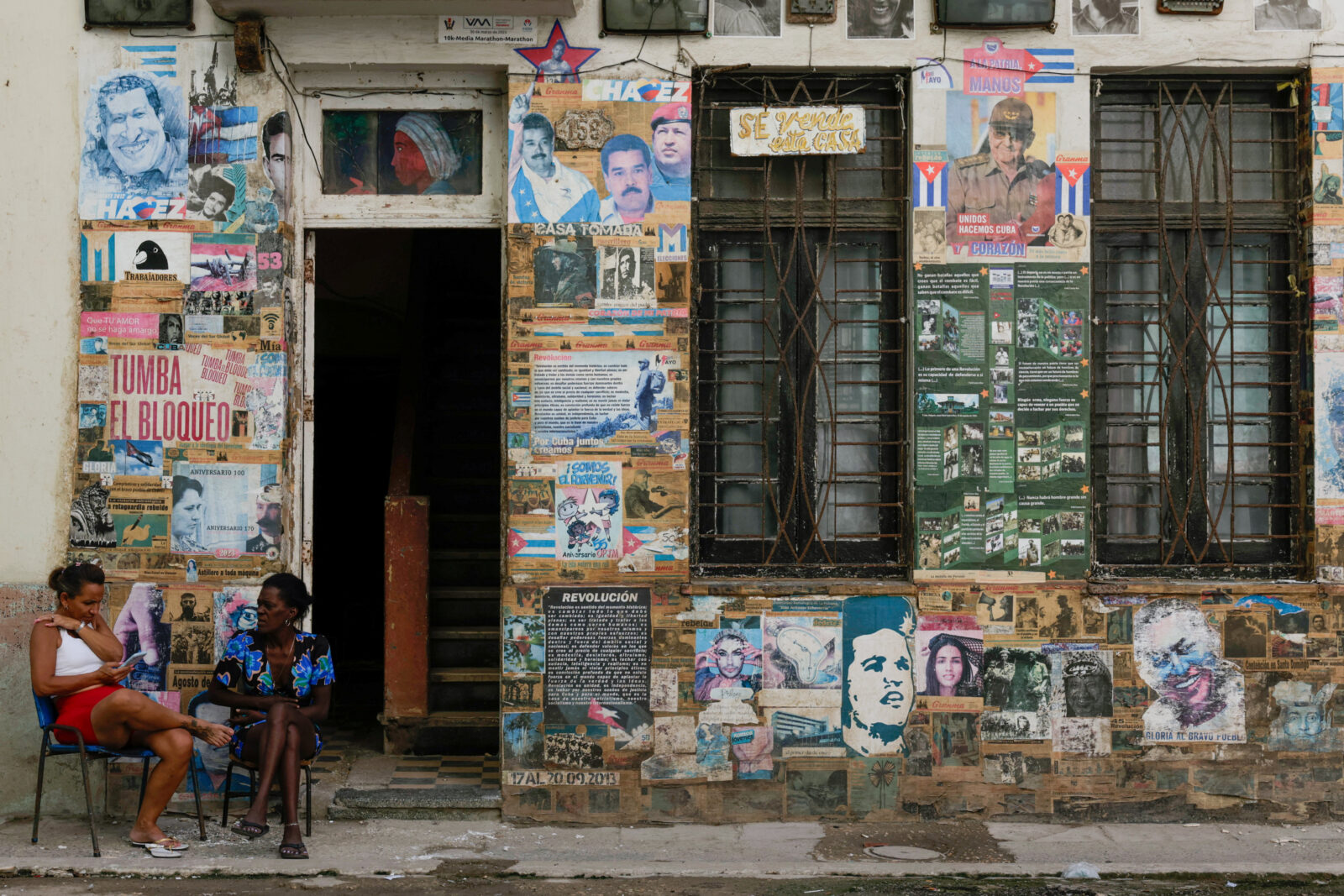
Americans disapprove of the US trade embargo on Cuba, doubt sanctions will produce political change in Havana, and want diplomatic relations to improve — though most attach conditions to warmer ties.
Key findings
Only Republicans back the embargo. A plurality (47%) of Americans disapprove of US sanctions on Cuba — including 74 percent of Democrats and 41 percent of Independents — while 62 percent of Republicans approve.
Democrats and Independents doubt sanctions will work. Just 22 percent of Democrats believe US economic pressure can produce political change in Cuba, and 43 percent of Independents doubt it will. Among Republicans, 54 percent expect sanctions to produce reform.
Americans want engagement, but with strings attached. A plurality (44%) say the United States should improve diplomatic relations with Cuba only if its government undertakes meaningful political reform — a position held by 66 percent of Republicans, 39 percent of Independents, and just 29 percent of Democrats. About one in three Americans, including a majority (53%) of Democrats, would improve relations regardless of Cuba’s system of government.
On January 3, US special forces descended on Caracas to seize Venezuelan President Nicolás Maduro and bring him back to the United States to face drug charges. After the apparent success of this operation and having just launched a military campaign against Iran, President Trump mused that Cuba might be next. Regime change in Cuba is a longstanding goal of Secretary of State and National Security Advisor Marco Rubio.1
So far, the United States has not taken military action but has expanded already substantial economic sanctions on Cuba, including cutting off the island’s oil supply from Venezuela.2 The energy shortage has led to suspended public services and human suffering on the ground.3
Most Americans disapprove of the Cuba embargo — only Republicans support it.
IGA found a plurality (47%) of Americans disapprove of the US trade embargo on Cuba, including a majority (74%) of Democrats and plurality (41%) of Independents. A majority (62%) of Republicans are supportive of the sanctions. And just over half (54%) think economic pressure is either very likely or somewhat likely to trigger meaningful reforms.
A majority of Americans, including most Democrats and Independents, doubt the efficacy of economic sanctions — Republicans expect them to lead to political change in Cuba.
Only 22% of Democrats hold this view — most (59%) think sanctions are either not very likely or not at all likely to lead to meaningful change. Independents are more evenly split — about one third are not sure — but a plurality (43%) are skeptical of the embargo’s effectiveness.
Overall, a plurality (44%) of Americans think the United States should only improve diplomatic relations with Cuba if its government undertakes meaningful political reform. This includes a majority (66%) of Republicans, a plurality (39%) of Independents, and 29% of Democrats.
Most want diplomatic relations with Cuba to improve on the condition that Cuba takes steps toward reform.
About one third of Americans think the United States should improve diplomatic relations regardless of Cuba’s system of government, including most Democrats (53%). Nearly all Americans want to see relations with Cuba improve in some capacity, though 18% report being unsure.
Endnotes
- Steve Holland and Gram Slattery. “Trump Says ‘Cuba Is Next’ in Speech Touting US Military Successes.” Reuters, March 27, 2026. https://www.reuters.com/world/americas/trump-says-cuba-is-next-speech-touting-us-military-successes-2026-03-27/. ↩︎
- Marc Caputo. “Rubio Announces New Cuba Sanctions.” Axios, May 7, 2026. https://www.axios.com/2026/05/07/rubio-cuba-sanctions. ↩︎
- Ed Augustin. “Rubbish Piles Up in Havana as US Oil Blockade Deepens Cuba’s Fuel Crisis.” The Guardian, May 7, 2026. https://www.theguardian.com/global-development/2026/may/07/rubbish-health-cuba-us-oil-blockade-waste-collection-fuel-crisis-havana; Ed Augustin and Jack Nicas. “Cuba’s Health System Buckles Under U.S. Oil Blockade.” The New York Times, March 26, 2026. https://www.nytimes.com/2026/03/26/world/americas/cubas-health-system-us-oil-blockade.html. ↩︎
This post is part of Independent America, a research program led out by Jonathan Guyer, which seeks to explore how US foreign policy could better be tailored to new global realities and to the preferences of American voters.




Is the Iran war turning young voters away from Republicans ahead of the midterms?