Afrikaner Refugees and the Limits of US Pressure on South Africa
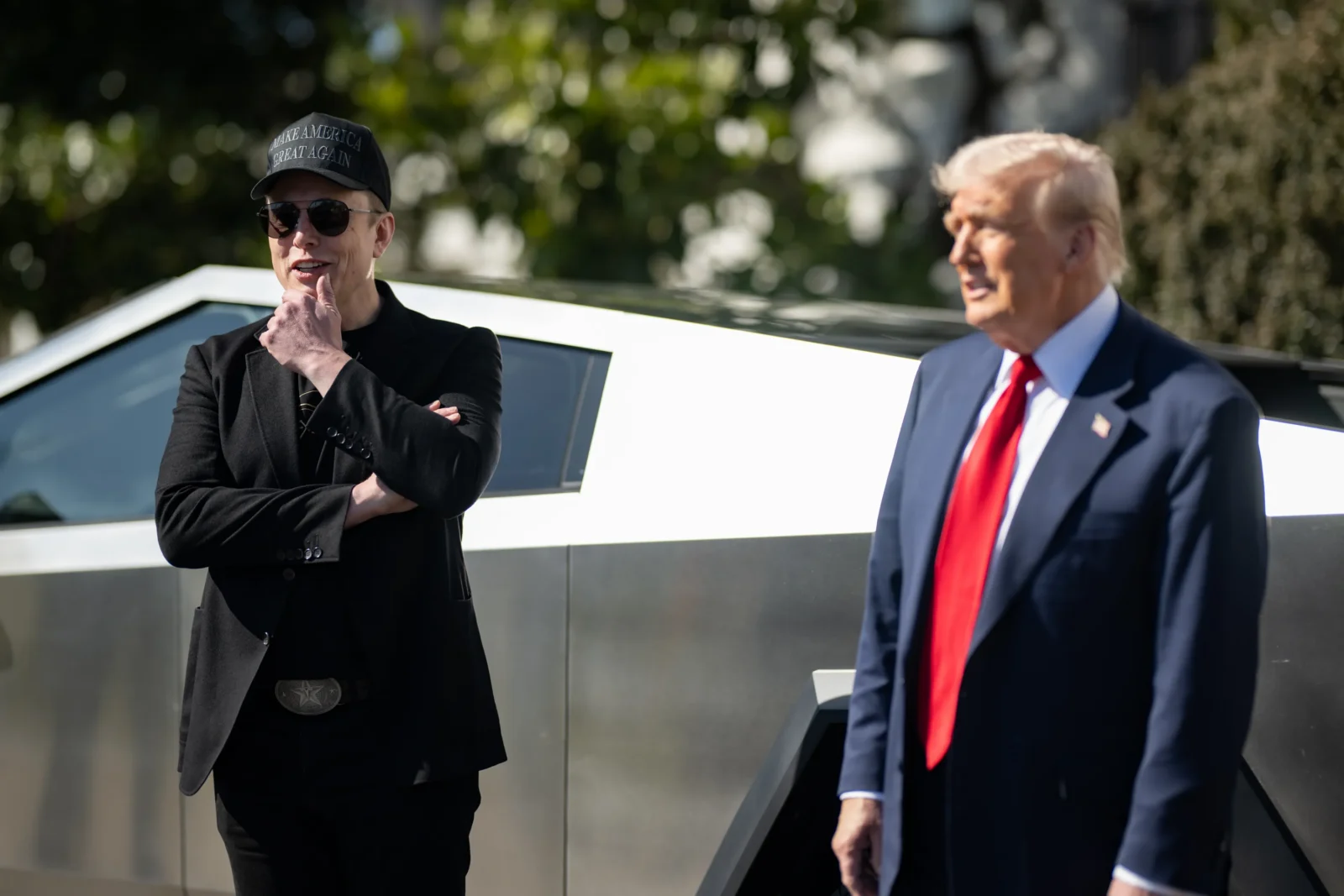
Beyond Washington’s refugee policy is a larger story about South Africa’s foreign policy and the limits of US power in a multipolar world.
This article was published in Lawfare on July 6, 2026
Afrikaner refugees arriving in the United States will soon receive a welcome packet consisting of copies of the U.S. Constitution and Declaration of Independence, alongside literature criticizing civil rights laws and “promoting claims of discrimination against white people.” No other refugee population receives gifts of this kind, which are part of a broader policy that treats Afrikaners as exceptional refugees while excluding most others. The Trump administration has largely frozen refugee admissions into the United States, yet it has created a loophole for Afrikaners, the Dutch-descended white South Africans whom the administration falsely claims are victims of a “white genocide.” The administration recently announced that it would admit 10,000 additional Afrikaner refugees in 2026, bringing the total to 17,500.
President Trump’s policy has hardened an already deteriorating relationship between Washington and Pretoria, South Africa, extending well beyond the refugee question. Despite Washington’s diplomatic pressure, including public criticism of South Africa’s land reform policies, condemnation of its genocide case against Israel at the International Court of Justice (ICJ), objections to Pretoria’s ties with Iran, and the suspension of HIV/AIDS assistance, South Africa has refused to alter its domestic or foreign policy agenda. This approach is diplomatically costly for Washington.
South Africa’s periodic clashes with Washington reflect not only contemporary policy disagreements but also the lasting legacy of apartheid-era solidarity networks that sustained the African National Congress (ANC) in exile and shape its worldview today. This is coupled with a memory of Washington’s support for the white minority regime throughout much of the Cold War. Following South Africa’s democratic transition in 1994, bilateral relations generally improved as Washington embraced the new democracy. Recent disputes, however, have strained that relationship. While the Afrikaner refugee policy may earn Trump support from his domestic base, it actively undermines U.S. credibility abroad amid an era of global power competition with China and Russia.
…
Read Mattie’s full piece in Lawfare

Written by Mattie Webb
Mattie Webb is a 2026 nonresident fellow at the Institute for Global Affairs at Eurasia Group.
This post is part of Independent America, a research program led out by Jonathan Guyer, which seeks to explore how US foreign policy could better be tailored to new global realities and to the preferences of American voters.


Is the Iran war turning young voters away from Republicans ahead of the midterms?